Integrated Annual Report 2024-25
Integrated Annual Report 2024-25
Financial
Cost efficiency is key to long-term competitiveness

"IndianOil delivered resilient financial performance in 2024–25, effectively managing the impact of geopolitical instability and volatile market conditions. With disciplined cost optimisation, strategic CAPEX and robust governance, the Company continues to balance growth, sustainability and stakeholder value."
Anuj Jain
Director (Finance)
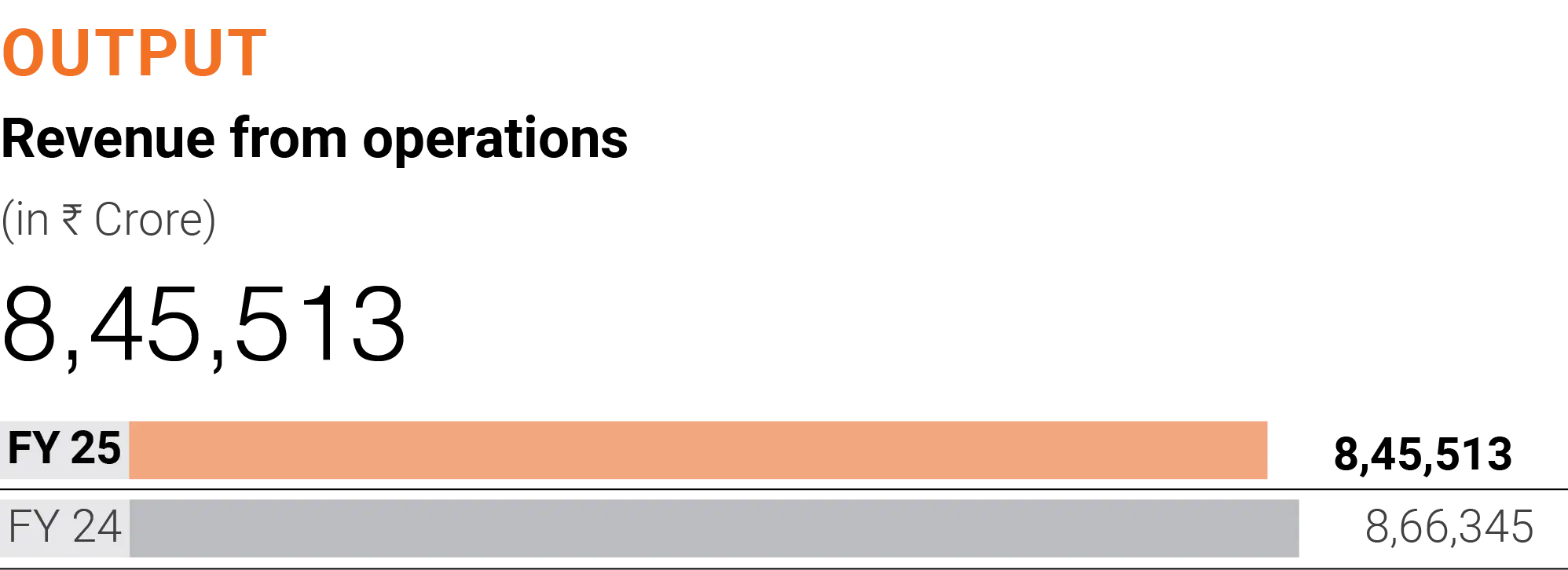
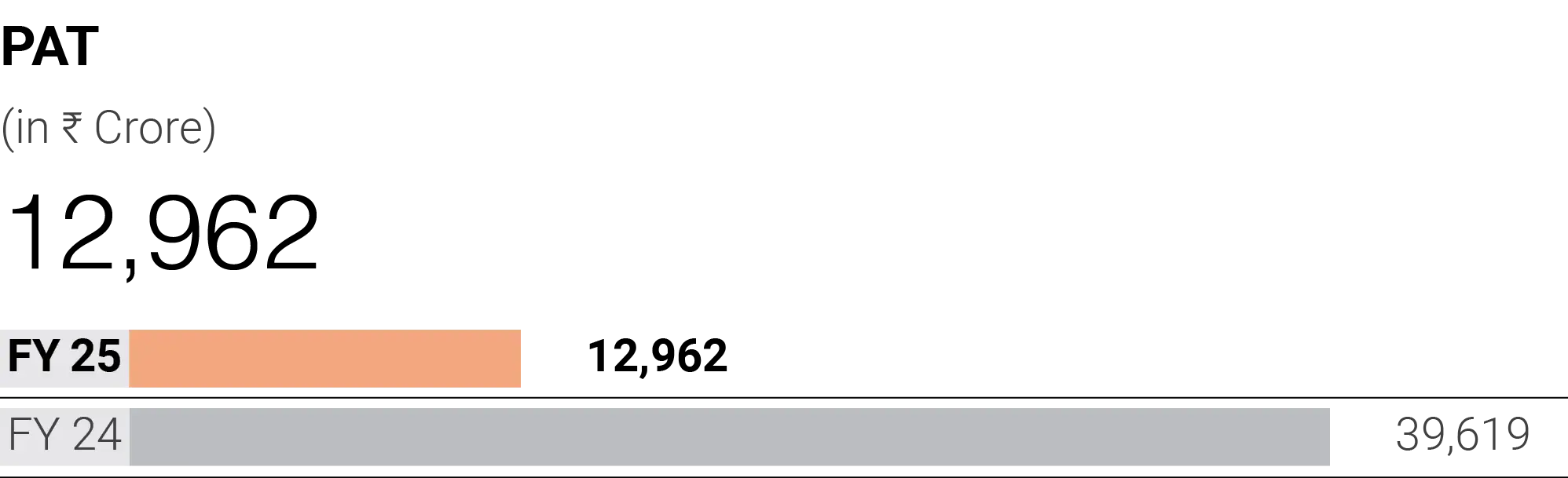
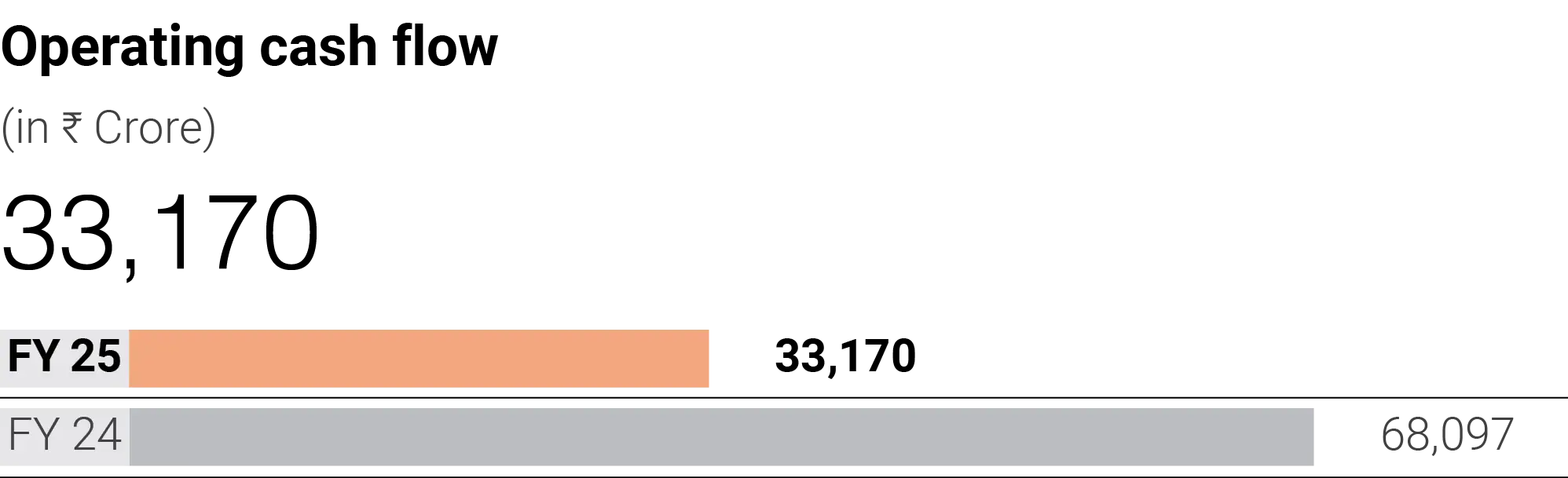
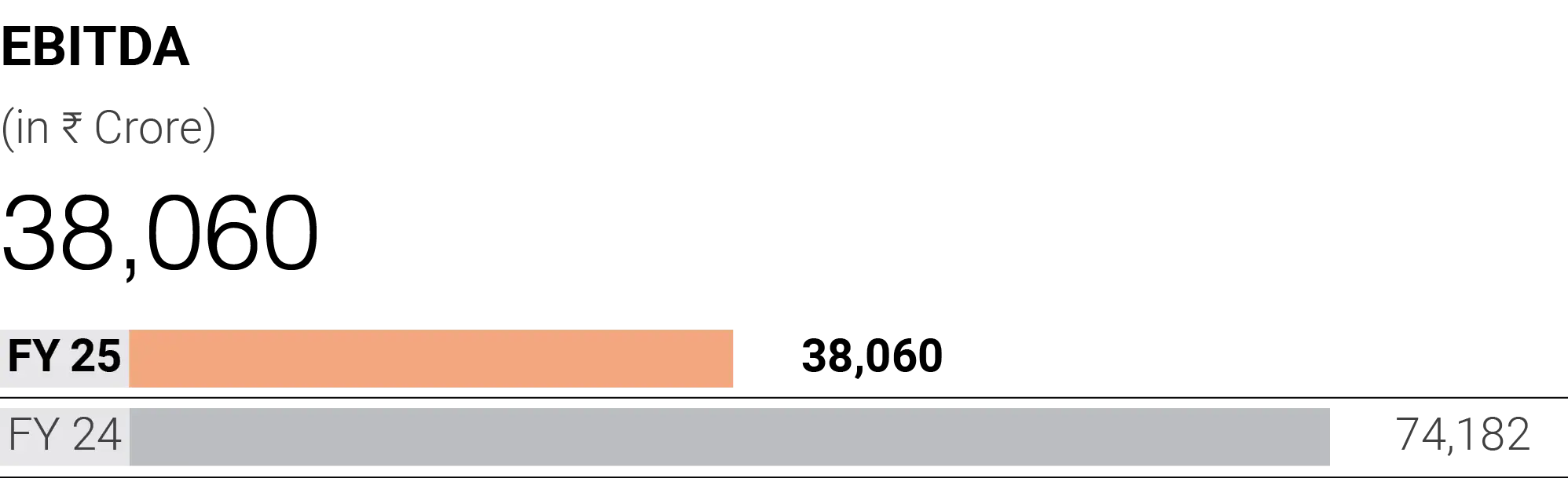
Notwithstanding macro challenges, our stellar financial performance over the decades has been the outcome of prudent financial management — balancing growth ambitions with cost optimisation and sustainability goals across the value chain. We at IndianOil, remain steadfast in our resolve — SPRINTing ahead with strategic vision and proactive investments to create long-term value for our stakeholders. As a future-focused Company, we are making high-impact infrastructure investments to expand our refining business, coupled with matching investments in marketing and pipeline infrastructure.



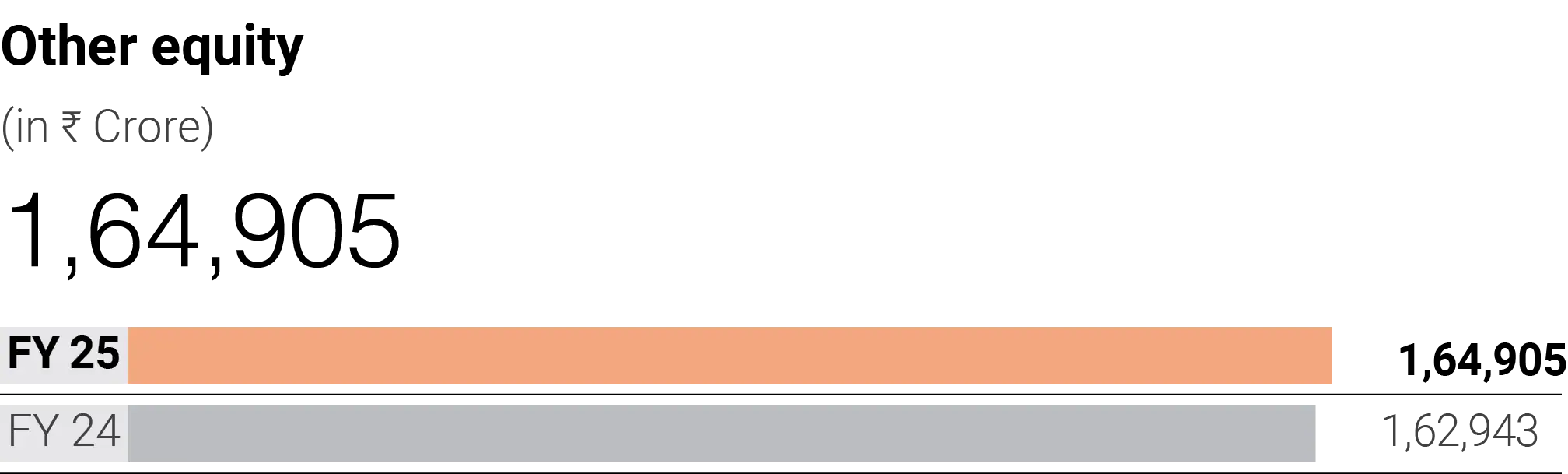
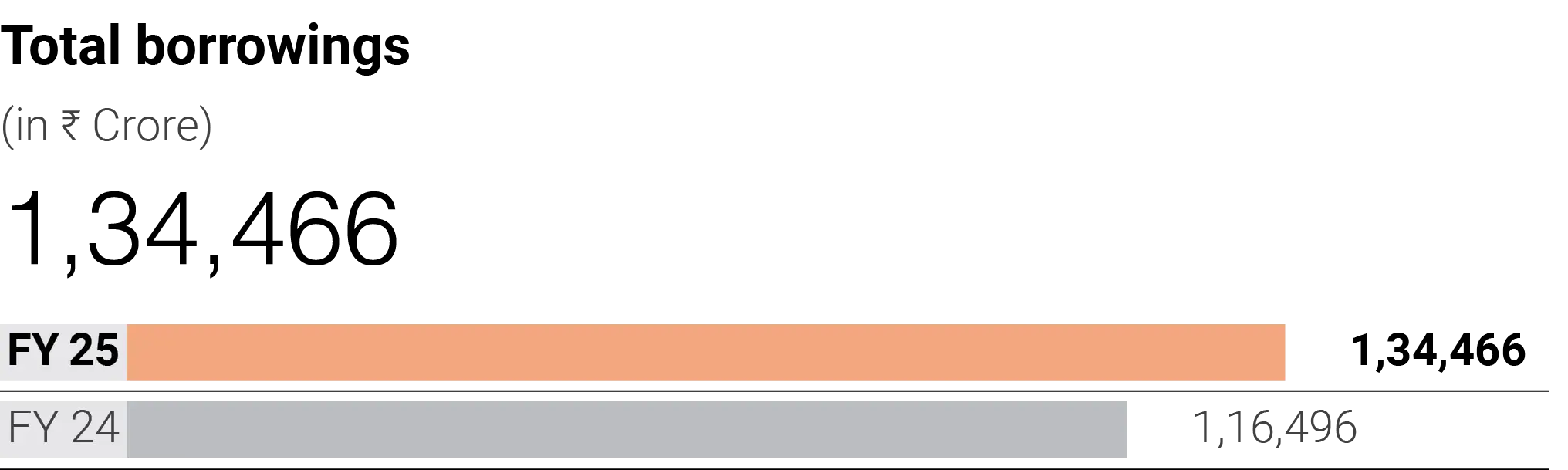
We mitigate financial risks and ensure resilience through
These practices ensure our ability to perform consistently and transform responsibly, true to the spirit of SPRINT.
IndianOil’s tax governance is anchored in an integrated strategy that combines efficient tax planning, proactive dispute resolution and real-time policy monitoring. We leverage technologies such as Robotic Process Automation, maintain rigorous compliance checks and continuously review business models and documentation to enhance tax efficiency and alignment.
Disputes are managed through legal reviews, advance rulings and close collaboration with tax authorities, while emerging policy changes are assessed through CBIC updates, impact analyses and supply chain reviews—ensuring compliance, informed decision- making and sustained operational resilience.