Integrated Annual Report 2024-25
Integrated Annual Report 2024-25
Natural
Prepare the organisation for a low-carbon, digital future:
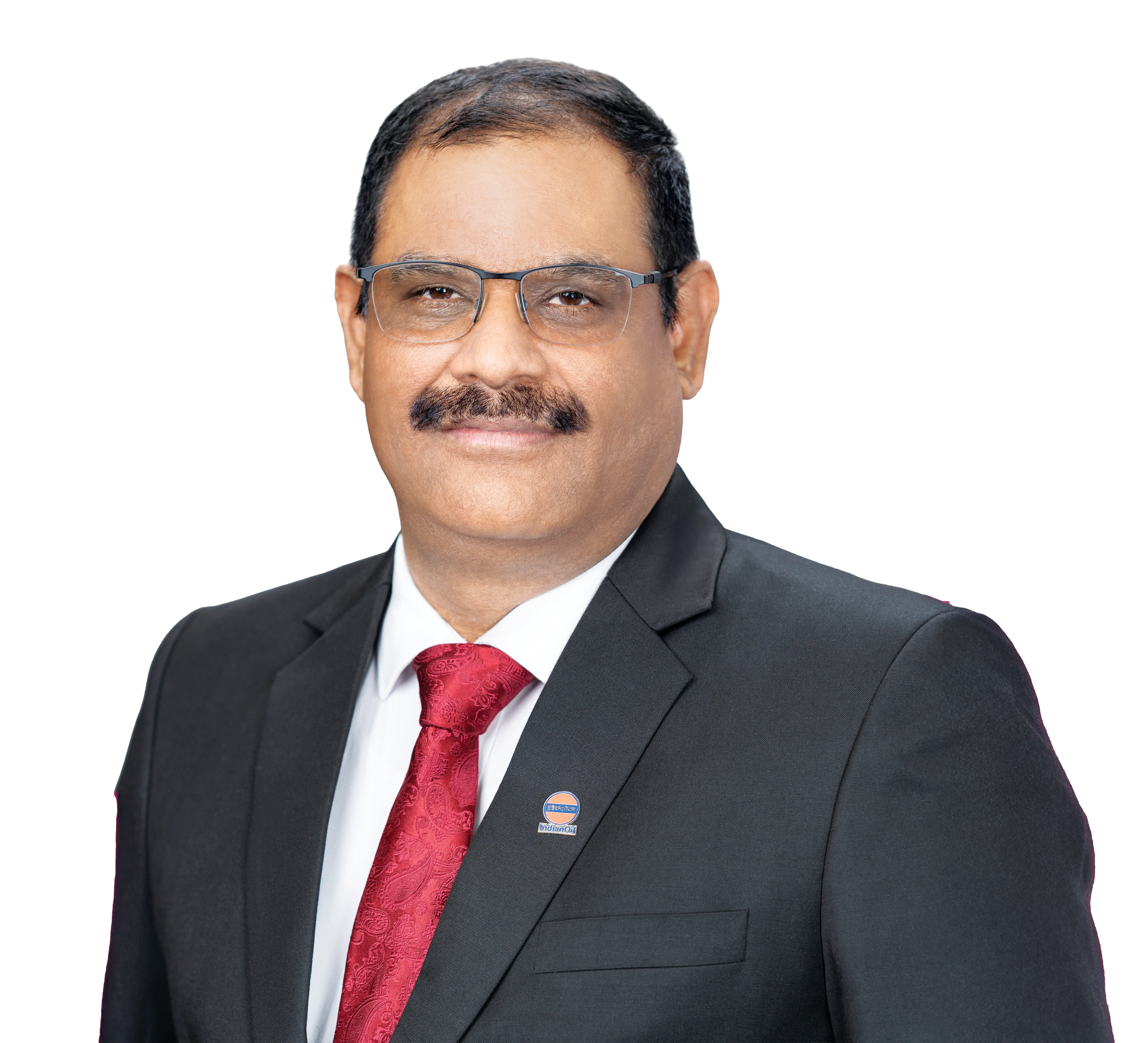
"IndianOil is advancing a low-carbon future through a multi-pronged Net-Zero roadmap focused on renewables, clean fuels, carbon capture and energy efficiency. With initiatives like solarisation, ethanol from paddy straw, CBG under ‘IndiGreen’ and e-mobility solutions, we are integrating sustainability into every facet of operations with focus on achieving Net-Zero operational emissions by 2046."
Suman Kumar
Director (Planning & Business Development)
At IndianOil, we are following a two- pronged strategy — strengthening our core assets across the energy value chain while simultaneously exploring new pathways towards a green transition. This strategy aligns with India’s blueprint to steadily decarbonise its rapidly growing economy and reach the Net-Zero milestone. This target also presents an opportunity for us to proactively increase investments in green assets and technologies, helping to reduce our environmental impact. We are growing from strength to strength, all while nurturing natural ecosystems.



Our approach towards natural capital management is rooted in environmental responsibility and aligned with India’s overarching aim to reduce its carbon footprint substantially, as mandated by global sustainability frameworks, including the Paris Agreement and the United Nations Sustainable Development Goals (UN SDGs). We apply environmental, social and governance (ESG) principles throughout our business to support low-carbon growth, use resources efficiently, protect the environment and create long-term sustainable value.

To ensure transparency, accountability and stakeholder trust, we adhere to leading sustainability frameworks and disclosures. We comply with the Securities and Exchange Board of India’s (SEBI) Business Responsibility and Sustainability Reporting (BRSR) requirements, which are independently assured. Additionally, we align our reporting with recognised sustainability standards such as:


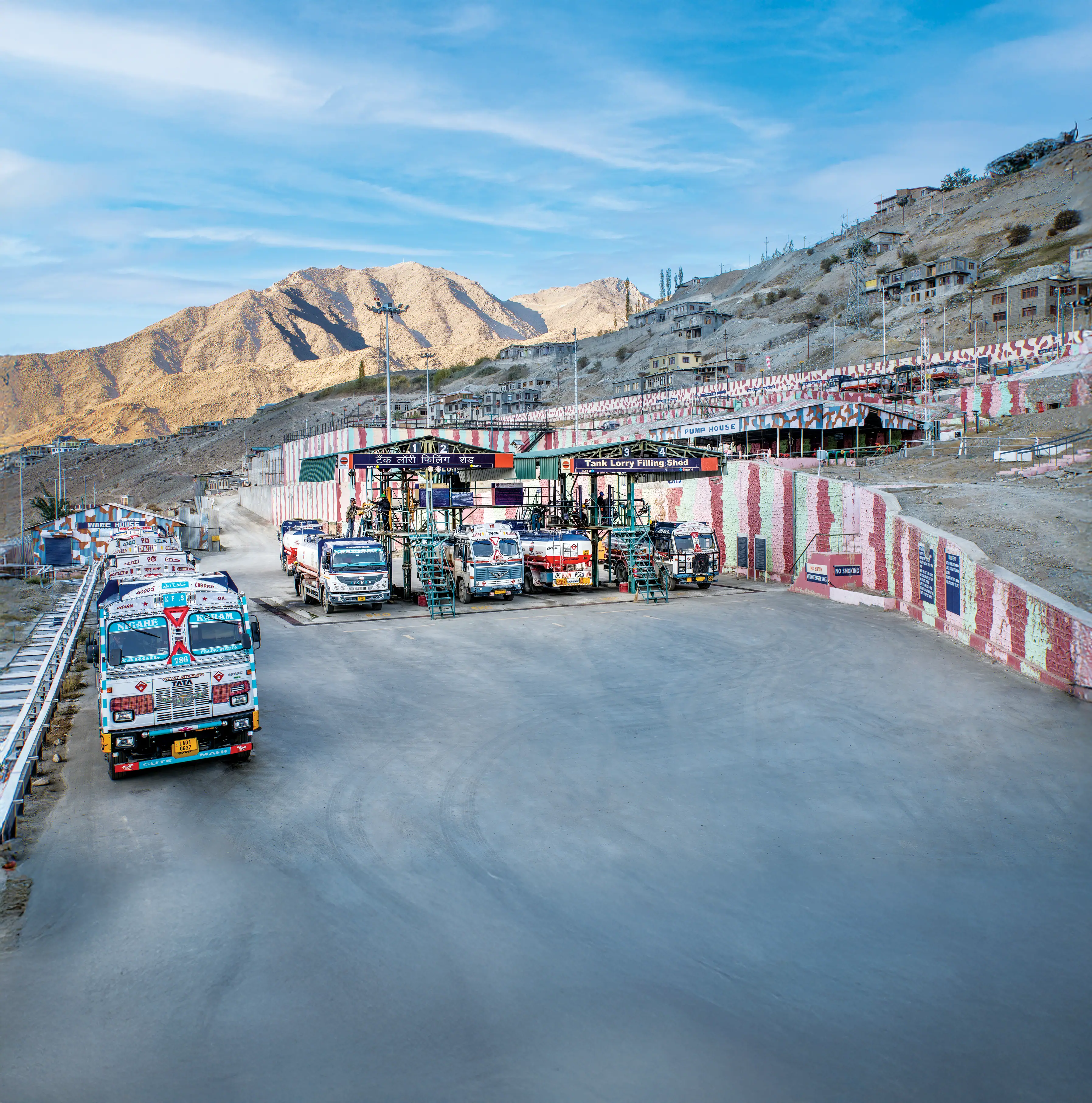
We are committed to achieving Net-Zero Operational Emissions (Scope 1 & 2) by 2046. Our roadmap includes multi pronged strategy which includes adoption of energy efficiency, renewable energy, green hydrogen, switching to cleaner fuels, digitalization, nature based solutions and carbon capture utilization & storage. We are also decarbonising our supply chain and have adopted low-sulphur marine fuels and fuel-efficient logistics. Further, we are promoting solarisation of retail outlets, installing Vapour Recovery Systems (VRS) and phasing out legacy tank truck fleets to enhance fuel transport efficiency.
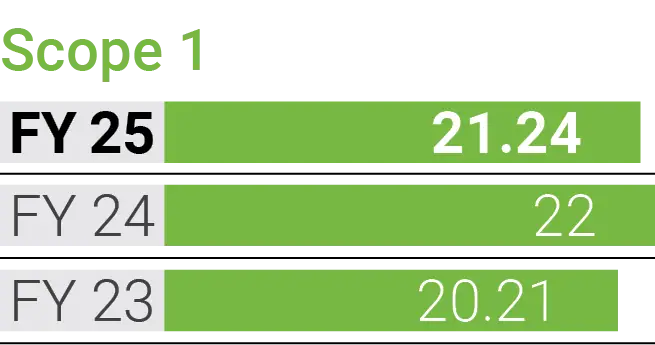
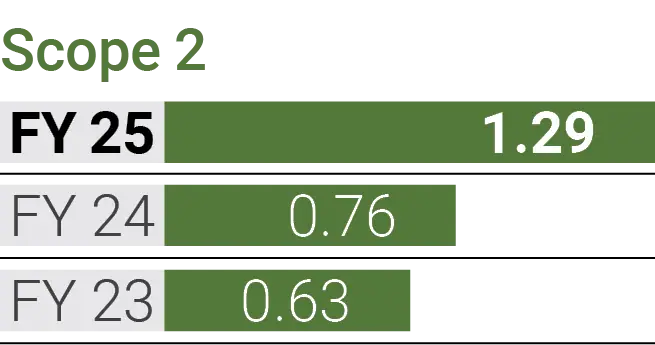
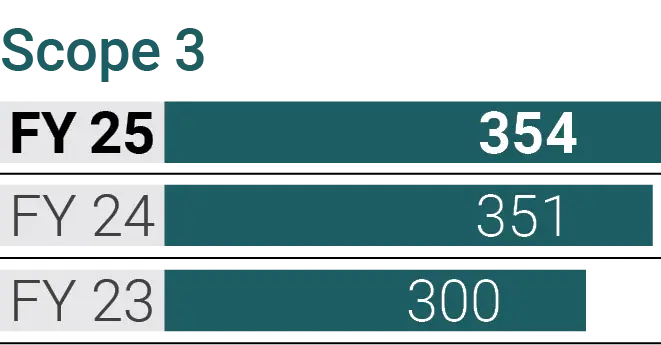
We are also making significant strides in e-mobility by setting-up EV charging stations across the country. To further strengthen our low-carbon growth strategy, we are collaborating with key partners to develop lithium-ion battery manufacturing capabilities and promote hydrogen fuel cell mobility solutions.
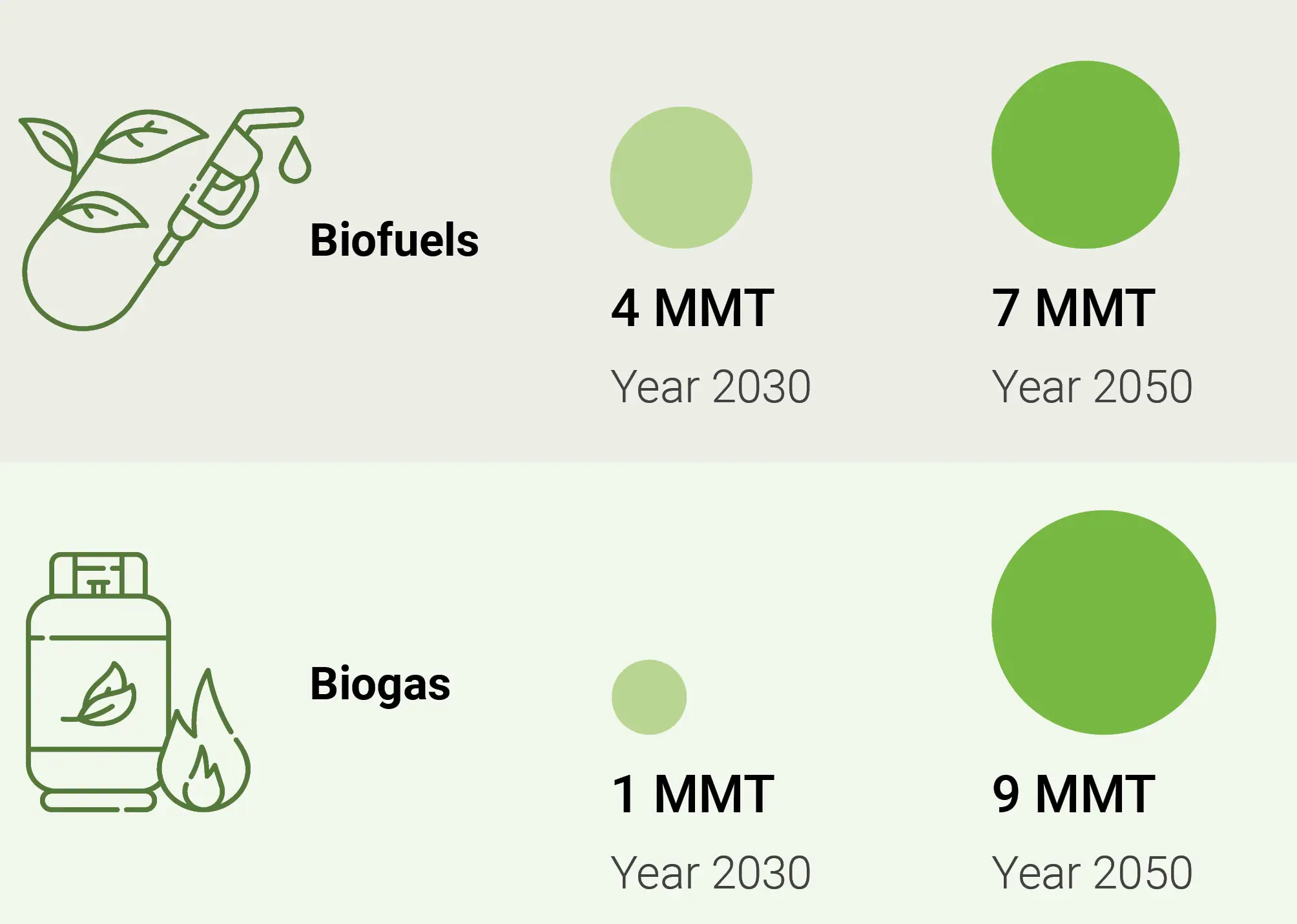
One of our innovative projects aims to produce ethanol from paddy straw, helping to create cleaner fuels and reduce stubble burning. We have also established a supply chain involving Farmer Producer Organisations (FPOs), Custom Hiring Centres (CHCs) and individual farmers to collect baled paddy straw. Over 1.2 Lakh MT of biomass was gathered during the Kharif 2023 and 2024 seasons through depots in Karnal and Panipat. This initiative not only curbs stubble burning, but also generates income for farmers and supports the ethanol blending programme.
Ethanol blending during 2024-25
2G Ethanol plant at Panipat
Annual Ethanol production
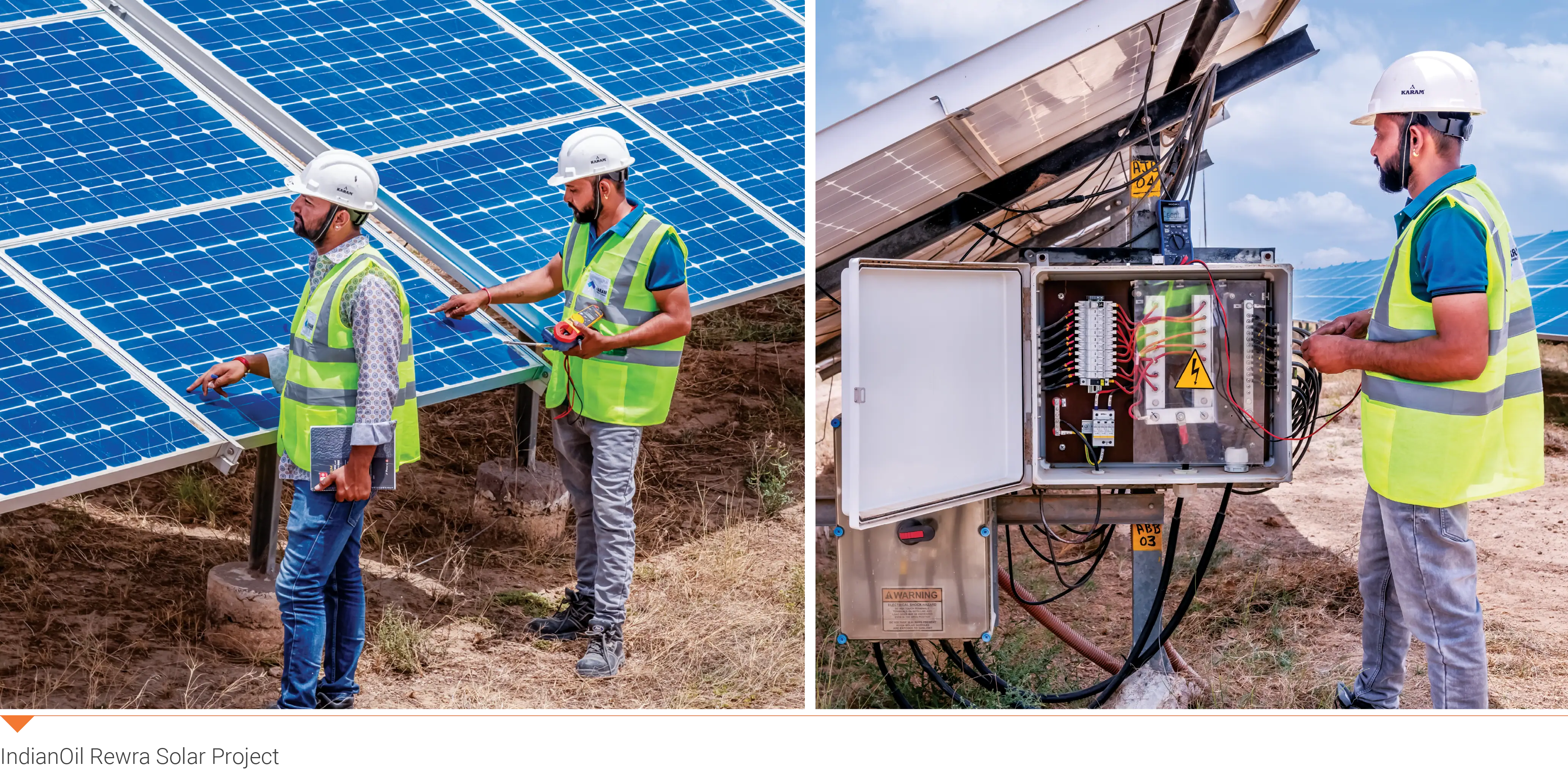
To maintain our prominent position as an energy supplier to the nation while tapping into opportunities being created on account of energy transition we are diversifying our efforts towards sustainable solutions by growing our renewable energy portfolio. As part of this vision, we aim to expand our renewable energy portfolio to 31 GW by 2030.
As of March 2025, 35,874 of our retail outlets have been solarised, adding 175.7 MWp of decentralised solar capacity. We are also developing 1.8 GW RE power through IndianOil NTPC Green Energy Pvt.Ltd. (INGEL), our 50:50 JV with NGEL.
252.1 MW
Renewable energy capacity
167.6 MW
Wind energy capacity
84.5 MW
Solar energy capacity
Under the Sustainable Alternative Towards Affordable Transportation (SATAT) initiative, IndianOil facilitates private entrepreneurs to set-up CBG plants. We are scaling-up Compressed Biogas (CBG) production and as of March 2025, 44 nos CBG plants have been commissioned. IndianOil facilitated the CBG sale through these plants to 125 Retail Outlets and to 4 industrial clients, under the brand name ‘IndiGreen’.
Out of these, IndianOil has commissioned 4 CBG plants with its own investment, of which a 100-tonnes per day cattle dung-based CBG plant at Adarsh Gaushala, Gwalior, was inaugurated by Hon’ble Prime Minister.
Further, IndianOil is setting-up 30 CBG plants, out of which work is in progress for 9 projects through our JV ‘IOC GPS Renewable Pvt. Ltd.’
8.9 TMT
CBG sales in 2024-25
To enhance our natural carbon sinks, we allocated ₹56.02 Crore under the Green Credits Programme (GCP) for planting over One Million trees across Gujarat, Telangana, Rajasthan and Bihar. Through our Mangroves 2.0 programme, we are restoring 151 hectares by planting Three Million mangrove saplings, creating one of India’s largest corporate-led coastal afforestation projects.
We are also contributing to wildlife conservation through strategic partnerships and impactful initiatives. In collaboration with the National Tiger Conservation Authority, IndianOil supported the landmark Cheetah relocation project.
In Gujarat, we have led India’s largest coral translocation effort, successfully relocating over 16,000 corals to safer habitats. We also support the protection of rare species such as the Greater one-horned Rhinoceros, Olive Ridley Turtle and Royal Bengal Tiger. Additionally, we provide assistance to the Sundarbans Tiger Conservation Foundation Trust to enhance patrolling and conservation efforts within the Sundarban Tiger Reserve.
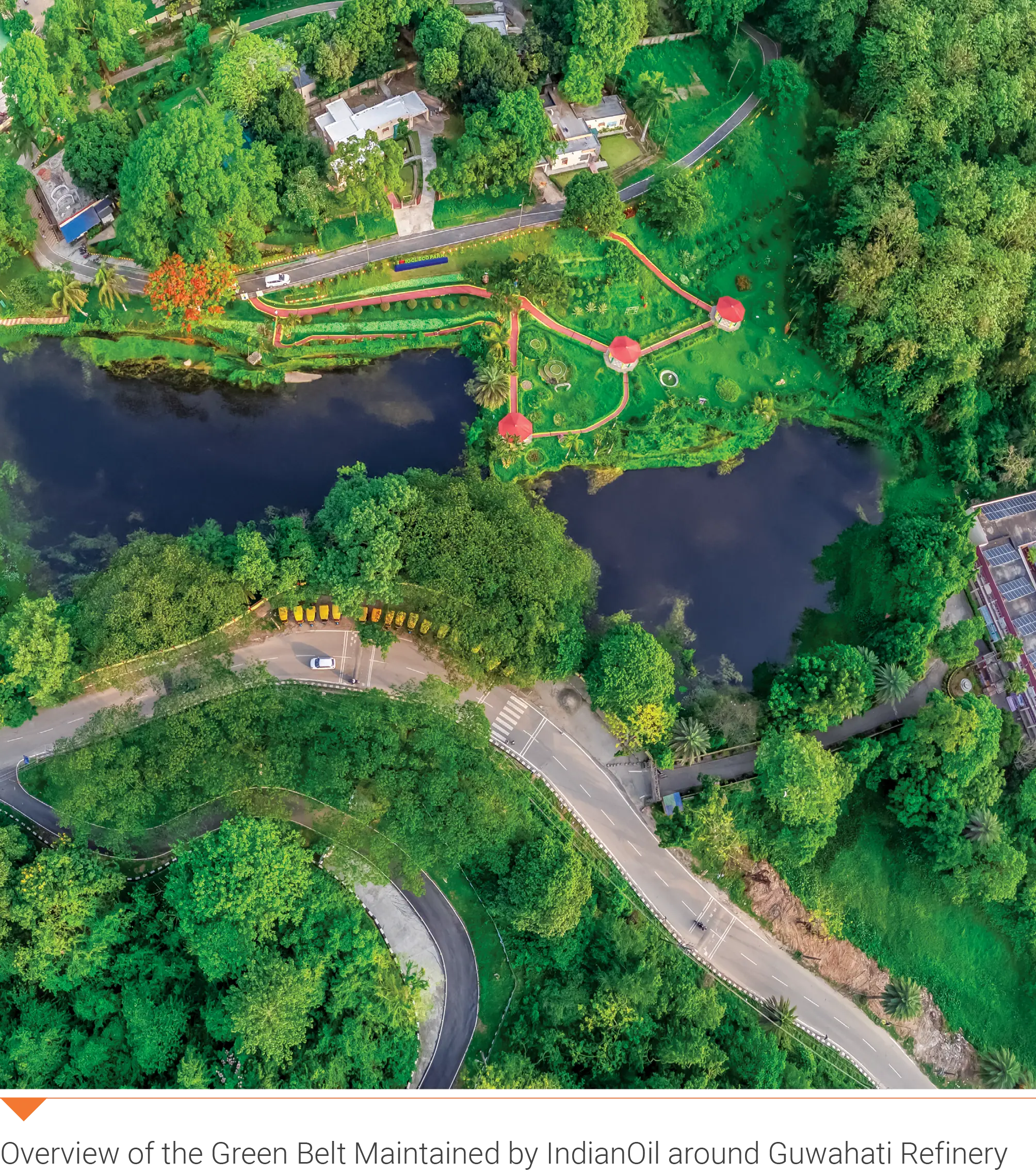
Overview of the Green Belt Maintained by IndianOil around Guwahati Refinery
We have established a robust and holistic framework for the management of both hazardous and non-hazardous industrial waste, ensuring full compliance with applicable environmental regulations and sustainability standards.
All hazardous waste generated across our operations is handled with the utmost care and responsibility. Disposal is carried out strictly through authorised channels, adhering to regulatory timelines and safety protocols. To further reduce the environmental impact, we have implemented several innovative waste minimisation technologies, including:
Our approach to non-hazardous waste is equally comprehensive, focusing on segregation, recycling and responsible disposal.
To ensure the effectiveness and integrity of our waste management practices, we have instituted:
100%
EPR target achieved
71%
Total waste recycled/reused/recovered
We have implemented a comprehensive and responsible effluent treatment strategy that ensures compliance with environmental standards while promoting water conservation and reuse.
Our treatment system is built on a three-tiered approach:
To enhance the efficiency and quality of treated effluent, we deploy cutting-edge technologies such as:
Our effluent management practices are guided by our Health, Safety and Environment (HSE) Policy, which emphasises the Reduce, Reuse and Recycle (3Rs) philosophy. This is supported by:
We have entered into long-term agreements with municipal Sewage Treatment Plants (STPs) in Vadodara, Mathura and Haldia, enabling the reuse of treated sewage in our industrial processes. This initiative significantly reduces our dependence on freshwater sources.
Our Zero Liquid Discharge (ZLD) systems further reinforce our commitment to sustainability by recycling and reusing wastewater within our refineries, ensuring that no liquid waste is discharged into the environment.
228
Zero Liquid Discharge locations
39.8 Billion Litres
Wastewater recycled
At our Haldia facility, we have pioneered a Green Sewage Treatment Plant using Integrated Wetland Technology (IWT), developed in collaboration with IIT Bombay. This system treats 8 cubic meters per hour (m³/hr) of domestic sewage in an eco-friendly and energy-efficient manner, showcasing our commitment to nature-based solutions and sustainable urban infrastructure.